.avif)


The Silent Crisis: What New Research Reveals About Alcohol Harm in the UK
New research from Clean Slate Clinic, Adfam, and the University of Sussex reveals that over 17 million Britons may be drinking at dangerous levels without knowing it, and that the system designed to help is missing them entirely.
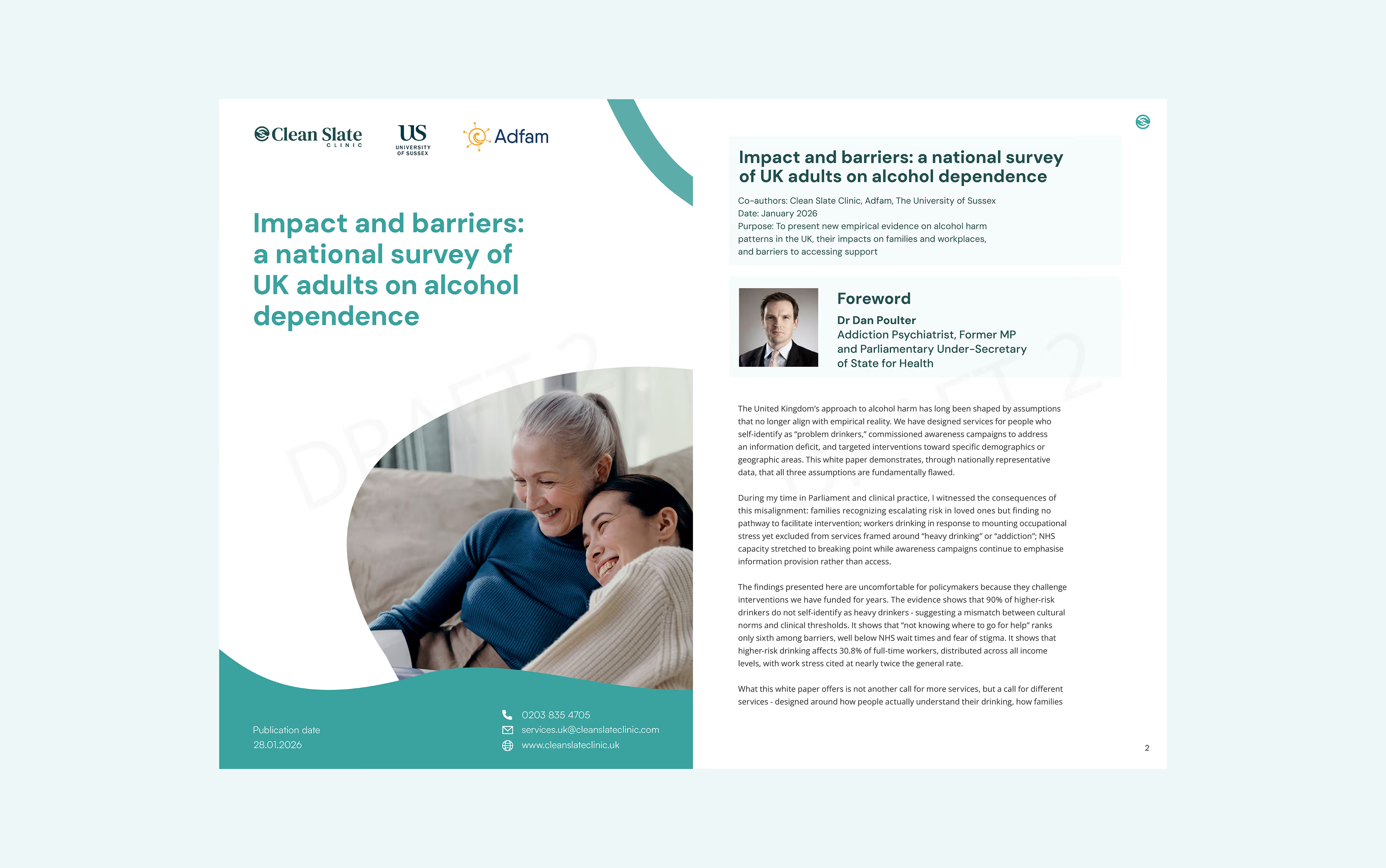
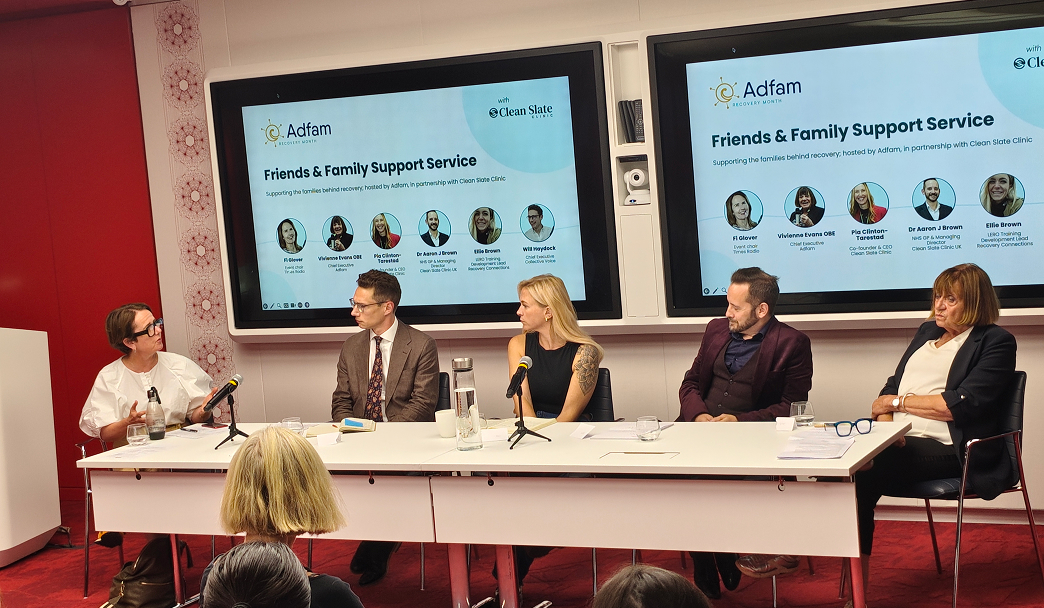
Clean Slate Clinic, in partnership with national addiction charity Adfam and the University of Sussex, published a landmark white paper on alcohol dependence in the UK, launched at a panel event in London in January 2026, chaired by leading addiction psychiatrist Dr David McLaughlan and featuring former Health Minister Dr Dan Poulter. The research, based on nationally representative polling of over 2,000 UK adults, set out to understand why alcohol harm continues to rise even as average consumption falls, and what needs to change.
The headline finding is that nine in ten people drinking at clinically risky levels don't consider themselves heavy drinkers. This isn't denial. It's a structural problem. Most people measure their drinking against those around them, not clinical guidelines, meaning millions of people are at risk without knowing it. Hospital admissions for alcohol-specific conditions remain at nearly 340,000 a year, and the economic cost to England is estimated at £27.4 billion annually.
For those who do recognise a problem, the barriers to getting help are significant. Long NHS waiting lists, fear of stigma, and the cost of private treatment are the three biggest obstacles, not lack of awareness. This means information campaigns alone won't close the gap. What's needed are services that are discreet, affordable, and accessible without requiring time off work.
The research also sheds light on who is most affected. Almost a third of full-time workers meet clinical criteria for higher-risk drinking, including many earning £50,000 or more. Work stress is the most commonly cited reason for drinking among this group, nearly twice the general rate. And the problem is evenly distributed across the country and across political constituencies, meaning it cannot be solved by targeting specific regions or demographics.
The white paper concludes with a clear call to action: alcohol services need to move away from crisis-led, in-person models towards earlier, digitally-enabled intervention. Medically supervised home detox can reduce the cost of treatment by up to 85% per episode compared with inpatient care, while allowing people to get support without stepping away from work or family life.
For a deepdive into these issues the full paper is available here.
.svg)





Ready to get started?








%20(1)%20(1)%201%20(1).png)